Hamilton ON Locksmith Service Team
Local locksmith team
Oct 24, 2026 10 min read
A break-in hits hard — even after the police have left and the immediate shock fades, you're left staring at a compromised door wondering whether you can ever feel truly secure in your home or business again. If you're in Hamilton and you've just been through this, the single most important question you need to answer right now isn't about alarm systems or cameras — it's about your locks. Specifically: do you rekey what you already have, or do you replace everything and start fresh?
This guide walks you through that decision honestly, covering the real differences between rekeying and full lock replacement, when a mortise lock upgrade makes sense over a standard door knob lock swap, and what factors actually determine which route is the smarter call after a break-in on a Hamilton street. Whether you're on the west Mountain near the Linc, running a business downtown on King William, or dealing with a side door that gave way off Barton — the same clear framework applies. Read through, then call 289-802-7153 when you're ready to have a qualified locksmith Hamilton team assess and secure your property.
## What Actually Happened to Your Lock — and Why It Matters
Before you can decide between rekeying or replacing, you need to understand what the intruder did to your lock. A forced entry is rarely clean. Most residential break-ins involve kicking in a door, which damages the door frame and the strike plate rather than the lock cylinder itself. In those cases, the lock mechanism may still be perfectly functional — the weak point was always the hardware around it, not the cylinder. However, if you notice a bent or scratched keyway, a cylinder that spins loosely, a door knob lock that no longer latches properly, or evidence that picks or a bump key were used, the lock body itself has been compromised and simply rekeying is not sufficient.
There is also a subtler concern: if the intruder had a copy of your key — from a previous tenant, a lost key, or someone with access to your property — your lock cylinder is already defeated without any visible damage. Hamilton Police Service consistently notes that acquaintance-based entry is more common than many homeowners expect. In that scenario, rekeying changes the internal pin configuration so the old key no longer works, which can be a fast and cost-effective solution — but only if the lock hardware itself is still structurally sound. A trained locksmith can assess all of this on-site in minutes.
## Rekeying: When It's the Right Call After a Break-In Hamilton
Rekeying makes sense in a specific and limited set of circumstances following a break-in. If the lock body is undamaged, if the door and frame are still square and solid, and if the intruder gained entry by using a copied or stolen key rather than forcing or picking the lock, then rekeying is a legitimate first step. The locksmith disassembles the cylinder, swaps the driver pins so the old key cuts no longer align, and reassembles — your existing hardware works again, but only with a brand-new key. This is a quick, same-visit service that restores a baseline level of security without the cost of all-new hardware.
That said, rekeying after a break-in should never be your only action. Even if you rekey, you still need to inspect and likely reinforce the strike plate, the door frame, and the hinge side of the door — these are the components that typically fail under a kick. A door knob lock that has been through a forced entry may look fine but have a cracked interior housing or a stressed latch mechanism that will fail again under pressure. Our team checks the full picture, not just the cylinder, so you are not left with a false sense of security from a rekey on a structurally weakened door.
## Lock Replacement and the Case for a Mortise Lock Upgrade
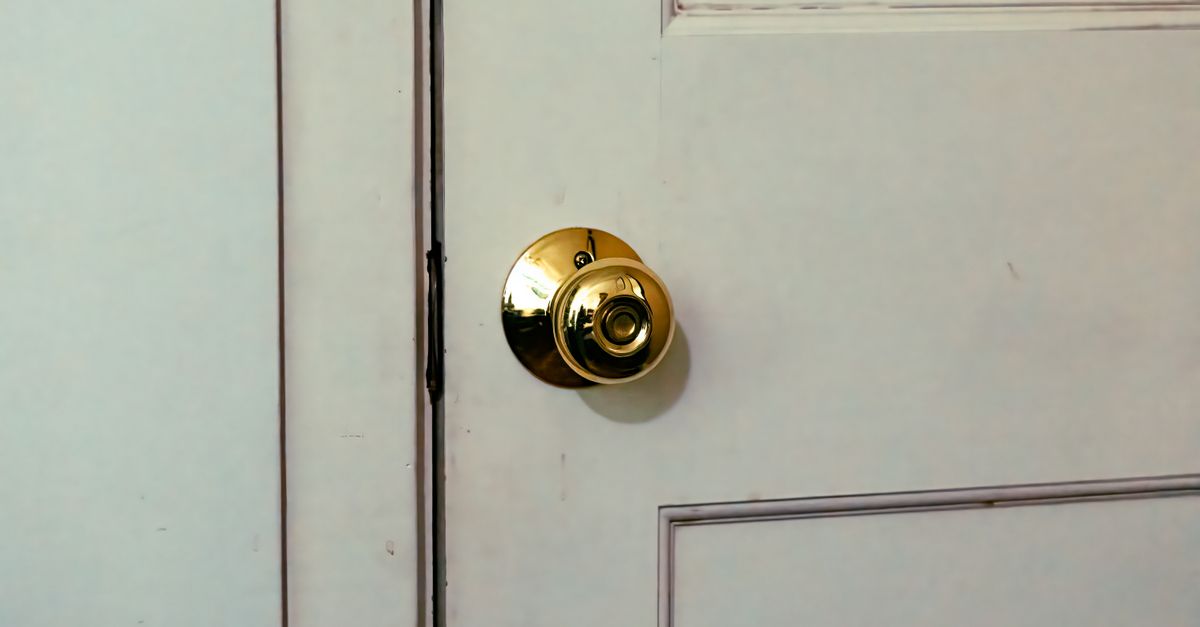
When the lock body is damaged, when the door knob lock mechanism is bent or stripped, or when you simply want a meaningfully stronger barrier than what was there before the break-in, full lock replacement is the right move — and a break-in is actually the ideal moment to upgrade. The most significant upgrade most Hamilton homeowners and business owners can make is switching from a standard cylindrical door knob lock or deadbolt to a mortise lock. Unlike a cylindrical lock that sits on the surface of the door, a mortise lock is set into a deep rectangular pocket machined into the door edge, making it dramatically harder to kick out or pry away because the mechanism is integrated into the door itself.
Mortise locks are standard in commercial settings for exactly this reason, and they are increasingly the choice for serious residential security as well. If you have a sliding glass door that was the point of entry, a sliding glass door replacement mortise lock is a specific, high-value upgrade worth discussing with your locksmith — these multi-point systems engage at several points along the frame simultaneously, making forced entry exponentially more difficult. Brands like Schlage and Kwikset both produce mortise-compatible hardware in their higher security lines. Our commercial locksmith experience means we can source, fit, and calibrate mortise lock systems for everything from a heritage brick row house on Hess Street to a warehouse unit in the Stoney Creek industrial corridor. If you want to talk through what a mortise lock upgrade would involve at your specific door, call 289-802-7153 — we're available around the clock and can often be on-site the same day.
## Emergency Locksmith Response: What to Expect When You Call
After a break-in, time matters. You should not spend a night in a home or business with a compromised entry point waiting for a weekday appointment. Our emergency locksmith service means exactly what it says — we are dispatched to Hamilton addresses 24 hours a day, seven days a week, including weekends and holidays. When you call 289-802-7153, we gather the details of your situation, give you an honest up-front price before any work begins, and route the nearest available technician to you. There are no hidden fees added after the job — the quote you hear on the phone is the quote you pay. Factors that affect the final price include the type and grade of lock required, the complexity of the door configuration, the time of day, and travel distance to your location, all of which we account for transparently upfront.
When our technician arrives, the first step is always a full assessment — not just of the compromised lock but of every other entry point. A break-in through one door is often a signal that other points on the property have similarly vulnerable hardware. We check secondary doors, sliding doors, and any door knob lock or mortise lock on ancillary entries that shares the same key or the same grade of hardware. You get a full picture, a clear recommendation, and — if you choose to proceed — immediate, professional installation of whatever solution fits your security needs and your budget. We never pressure you into hardware that exceeds what your situation actually requires.
## Practical Steps to Take Right Now — Before and After the Locksmith Arrives
While you wait for your emergency locksmith, there are sensible, safe actions you can take. Do not attempt to re-enter the property until police have cleared it and confirmed it is safe — this is non-negotiable. Once police have finished and you are back inside, photograph every point of entry that was disturbed, including close-up shots of the lock, door frame, and any hardware damage. These photos matter for your insurance claim. If any door will not close and latch at all due to frame damage, wedge it as securely as you can with a chair or piece of furniture as a temporary measure — not a security solution, simply to discourage opportunistic re-entry while you wait for the locksmith.
When the locksmith arrives, be ready to show identification confirming your ownership or tenancy of the property — this is standard practice for any reputable locksmith and actually a good sign that the technician is working ethically. Have a clear description of every exterior door, including any sliding glass door or secondary access point you want assessed. If you have a specific lock brand preference — for example, you want to stay with Schlage hardware because your remaining locks are already Schlage — mention that upfront so we can confirm parts availability. And if you are a landlord managing a Hamilton rental property and need multiple units rekeyed or upgraded in the same visit, let us know — we handle commercial locksmith and multi-unit residential work routinely and can scope that accurately in a single call.
Frequently asked questions
After a break-in, is rekeying my lock enough or do I need to replace it entirely?+
It depends on the condition of the lock after the incident. If the lock body, housing, and latch mechanism are physically undamaged and the intruder gained entry using a key rather than force, rekeying is a legitimate option — it repins the cylinder so the old key no longer works. However, if there is any visible or felt damage to the lock mechanism, if the door or frame is out of alignment from kicking, or if you want a higher level of security than your existing hardware provides, full replacement is the smarter path. A qualified locksmith can assess this on-site and give you a clear recommendation. Call 289-802-7153 and we can walk you through it or come to you right away.
What is a mortise lock and is it worth upgrading to one after a break-in?+
A mortise lock is a lock mechanism that is set into a pocket cut into the edge of the door, rather than mounted on the surface like a standard door knob lock or cylindrical deadbolt. Because the hardware is recessed into the door structure itself, it is significantly more resistant to forced entry — kicking or prying a mortise lock is far more difficult than defeating a surface-mounted lock. They are the standard for commercial properties precisely because of this durability, and they are an excellent upgrade choice for any Hamilton homeowner who wants to meaningfully improve security after a break-in. We install mortise lock systems on residential and commercial doors of all types, including sliding glass door applications where multi-point mortise hardware provides the strongest available protection.
My door knob lock still turns fine after the break-in — does it still need to be replaced?+
Possibly, yes. A door knob lock that still functions after a forced-entry event may have internal damage that is not visible from the outside — cracked housing, a stressed latch bolt, or a cylinder that has been subtly deformed. More importantly, a functional door knob lock is rarely sufficient as the primary security on an exterior door on its own; it should always be paired with a high-quality deadbolt at minimum. After a break-in is the right time to have a trained locksmith inspect the mechanism internally rather than assume outward function means the lock is still secure. We can assess, advise, and if needed replace or reinforce the full entry setup in one visit.
How quickly can a locksmith reach me in Hamilton after a break-in, and what information should I have ready?+
Our emergency locksmith service covers the Hamilton area around the clock, and response times vary based on your location and how many calls we have active — we will give you an honest estimate when you call 289-802-7153. To make the dispatch as fast and smooth as possible, have your exact address ready, a brief description of what happened and which locks or doors are affected, and your identification confirming ownership or tenancy of the property. If you know the brand or type of lock on your door — for example, whether it is a mortise lock, a Schlage deadbolt, or a standard door knob lock — that helps us bring the right parts. We confirm an exact up-front price before any work begins, so there are no surprises when the job is done.